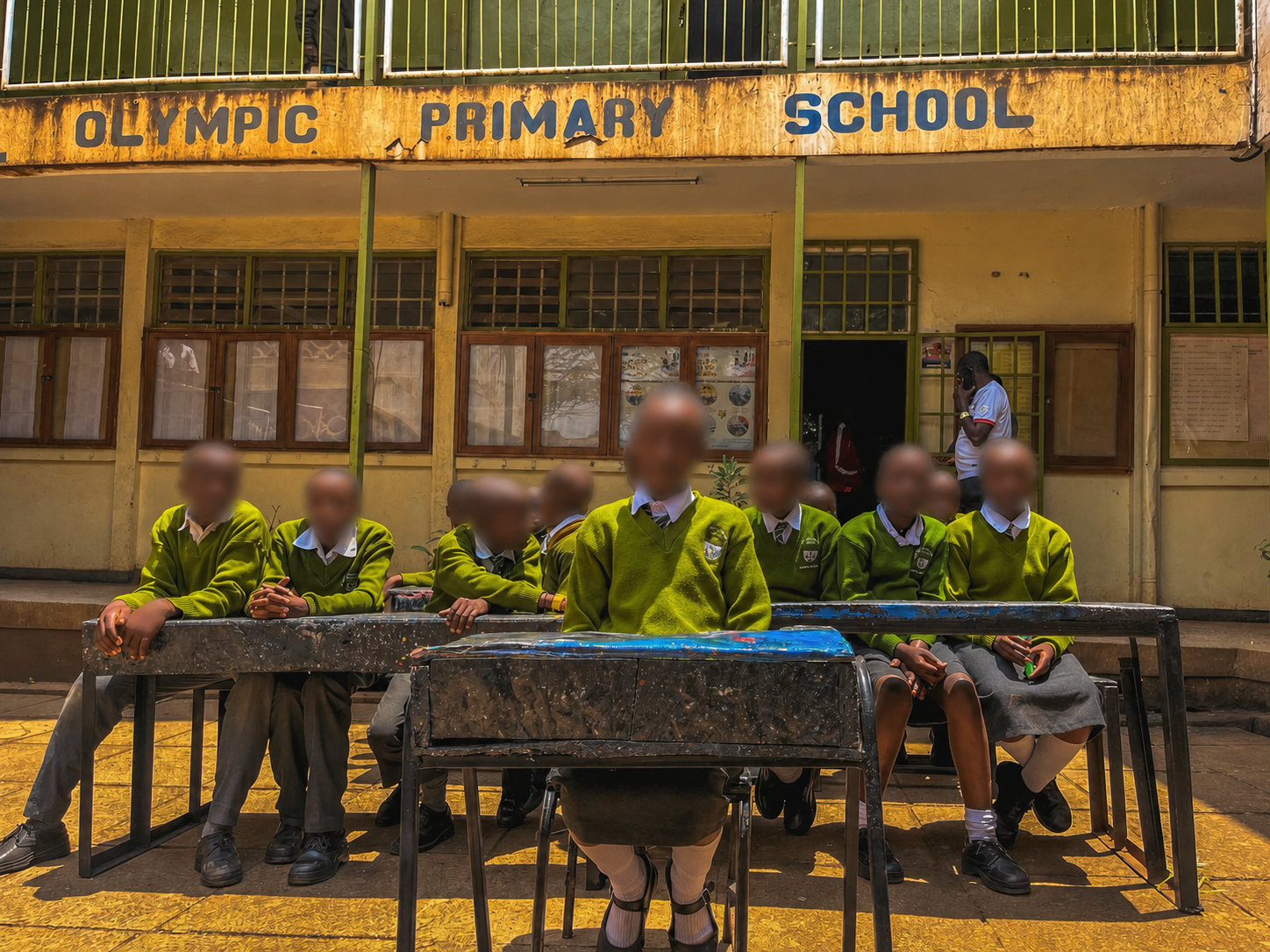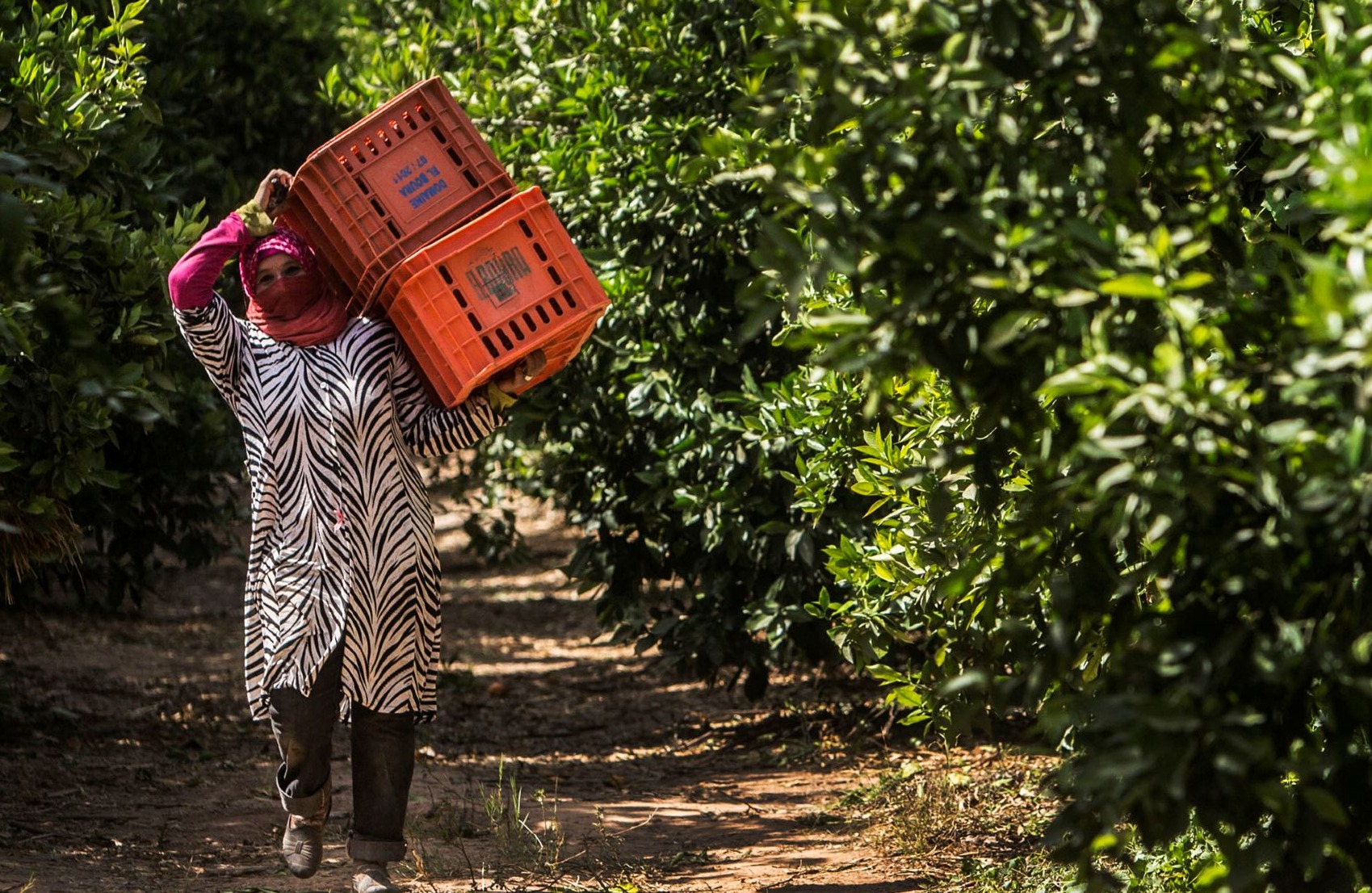

Kenya is experiencing the impacts of climate change including rising temperature records, drought conditions and flooding. Since 1960, the temperatures have increased by 1.0°C and are forecasted to rise by an additional 1.7°C by the 2050s.
According to Kenya Red Cross, over 3.3 million people in Kenya face acute food insecurity caused by severe drought in Arid and Semi-Arid. Additionally, 1.5 million people lack safe water with more than 200,000 children facing severe malnutrition .
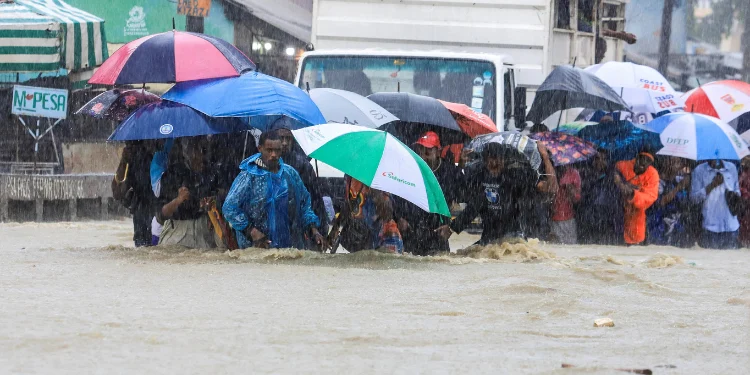
The latest update by Ministry of Interior shows that recent floods in Kenya have caused death of atleast 110 people and continue to devastate large parts of the country, now affecting 30 counties. According to a new risk profile by the Internal Displacement Monitoring Centre, Kenya has reported over 2.7million disaster related displacements .
Floods, which accounted for majority of the displacements, affected over 2.4 million people , Droughts misplaced 316,000 people while storms accounted for 62,000 movements. These overlapping climate crises highlight the vulnerability of Kenyan communities and the economy.
Leading environmentalists state that Kenya loses 3-5% of its GDP translating to sh870 billion annually due to the impacts of climate change. Climate finance to fuel both the mitigation and adaptation efforts against climate change is therefore crucial.
Presently, the country requires US$62 Billion between 2020 and 2030 for climate adaptation and reduction of green house gas emissions. Kenya has committed US$3.36 Billion while 15.8 Billion will come from investments in projects that will deliver mitigation benefits. The remaining financial gap will come from international finance , capacity building and technology development.
Green Climate Fund Places Kenya as hub for Climate Finance
To address these financing gaps, recent developments are placing Kenya as a key hub for climate finance. Green Climate Fund selected Nairobi, Kenya’s capital center as the host city for their regional offices.
The offices will serve the East and South African regions. A statement by GCF on Saturday, March 29, 2026 read, “GCF Board selects Nairobi, Kenya as the host for the GCF Africa Regional Office covering East and Southern Africa. As the world’s climate fund for developing countries, this brings us closer to the countries we serve for more efficient delivery of Climate Action,”
Green Climate Fund Approves KCB Bank Kenya Kshs 12.5B Climate Finance
Green Climate Fund approved KCB Bank Kenya $96.9M (Kshs 12.5B) funding to speed up green projects for Micro ,Small and Medium Enterprises and Kenyan farmers. The financial support is a blend of guarantee, concessional lending and a grant that’s under the Climate Smart Technology (CST) programme that aims to boost vulnerable groups in Kenya.
It will support value-chain and gender inclusive interventions, through installation of solar-powered and clean cooking facilities, energy efficiency improvements , circular economy and waste management in addition to climate-smart agriculture.
Through this initiative, vulnerable groups can build climate resilience as they transition to low carbon practices that will in turn improve productivity.
60% of the financial investment will be used on adaptation i.e water management technology and climate resilient agriculture. 40% will target mitigation technologies including energy efficiency and renewable energy.
The recent developments by GCF strengthen Kenya’s position as a regional gateway for climate finance and underscore the role played by financial institutions in supporting SMEs and farmers.
The National Treasury announced disbursement of climate resilience funding of Ksh 11.2 billion that will be distributed to 46 counties in the 2025/2026 financial year. The notice was published in the Kenya Gazette on Friday, January 23, under the Climate Resilient Investment Grant.
The fund is a combination of resources from the German Financial Cooperation (KfW)- Ksh 1.2 billion, the county government (ksh4.2 billion), International Development Association (Ksh 5.7 billion)
Here is a breakdown of how the grants were disbursed; Kakamega County received an amount of Ksh543 million, Nandi County received Ksh404 million, Homa Bay County – Ksh400 million, Bungoma County – Ksh399 million. Other counties include Migori County (Ksh361million), Kisii County – (Ksh352 million),Turkana County – (Ksh348 million), Uasin Gishu County – (Ksh347 million), Narok County – (Ksh339 million), Bomet County – (Ksh305 million), Kilifi County – (Ksh274 million), Garissa County – (Ksh268 million), Wajir County – (Ksh268 million), Marsabit County – (Ksh292 million), Mandera County – (Ksh289 million), Murang’a County – (Ksh129 million), Machakos County – (Ksh127 million) and Isiolo County – (Ksh33 million). The investments will focus on agricultural adaptation, water resource management, early warning systems and disaster preparedness as well as infrastructure resilience.
Financial developments from various institutions and governments will propel climate projects in the country. Kenya, however, still stands at a crucial point in its climate journey. Closing the financial gap requires sustained collaboration among financial institutions, local communities , the government and international organizations.
READ MORE : How Carbon Markets and Carbon Credits Are Shaping Climate Action in Africa
Safaricom Deepens Climate Commitment with KES 41.6 Billion Green Bond Listing
Safaricom PLC Launches KES 40 Billion Fixed Rate Green Notes to Accelerate Climate-Smart Investments