On 26th of January 2026, a group of journalists across East Africa gathered in Nairobi, Kenya’s capital for ‘Reporting on Extreme Heat in East Africa’ fellowship led by the Climate Resilience for All (HERA). The three-day training featured discussions with frontline workers and organisations on heat vulnerability and adaptation strategies in addition to practical workshops on sourcing data.
The team also visited Mukuru kwa Njenga, an informal settlement significantly affected by extreme heat, to interact with women and better understand how extreme heat impacts their livelihoods. Many of the women we engaged with are primarily casual laborers who sell clothes and vegetables for a living. They shared how extreme heat fades clothes and spoils vegetables they stock for sale, therefore contributing to financial losses.
Such experiences from Mukuru kwa Njenga reflect a broader global trend. Extreme heat has caused economic losses and affected livelihoods globally. According to International Labour Organization, heat stress is projected to reduce total global working hours by 2.2 per cent (which translates to a loss equivalent to 80 million full-time jobs) and global GDP by US$2,400 billion in 2030.
The economic losses due to heat stress at work were estimated at US$280 billion in 1995; this
figure is projected to increase to US$2,400 billion in 2030, with the impact of heat stress being
most pronounced in lower-middle- and low-income countries.
Greater temperature rises are expected to greatly affect labour productivity even further. According to World Meteorological Department 2026 press release , the past 11 years have been the warmest on record even as ocean heating continues to rise. 2025 was one of the three warmest years on record, continuing the streak of extraordinary global temperatures.
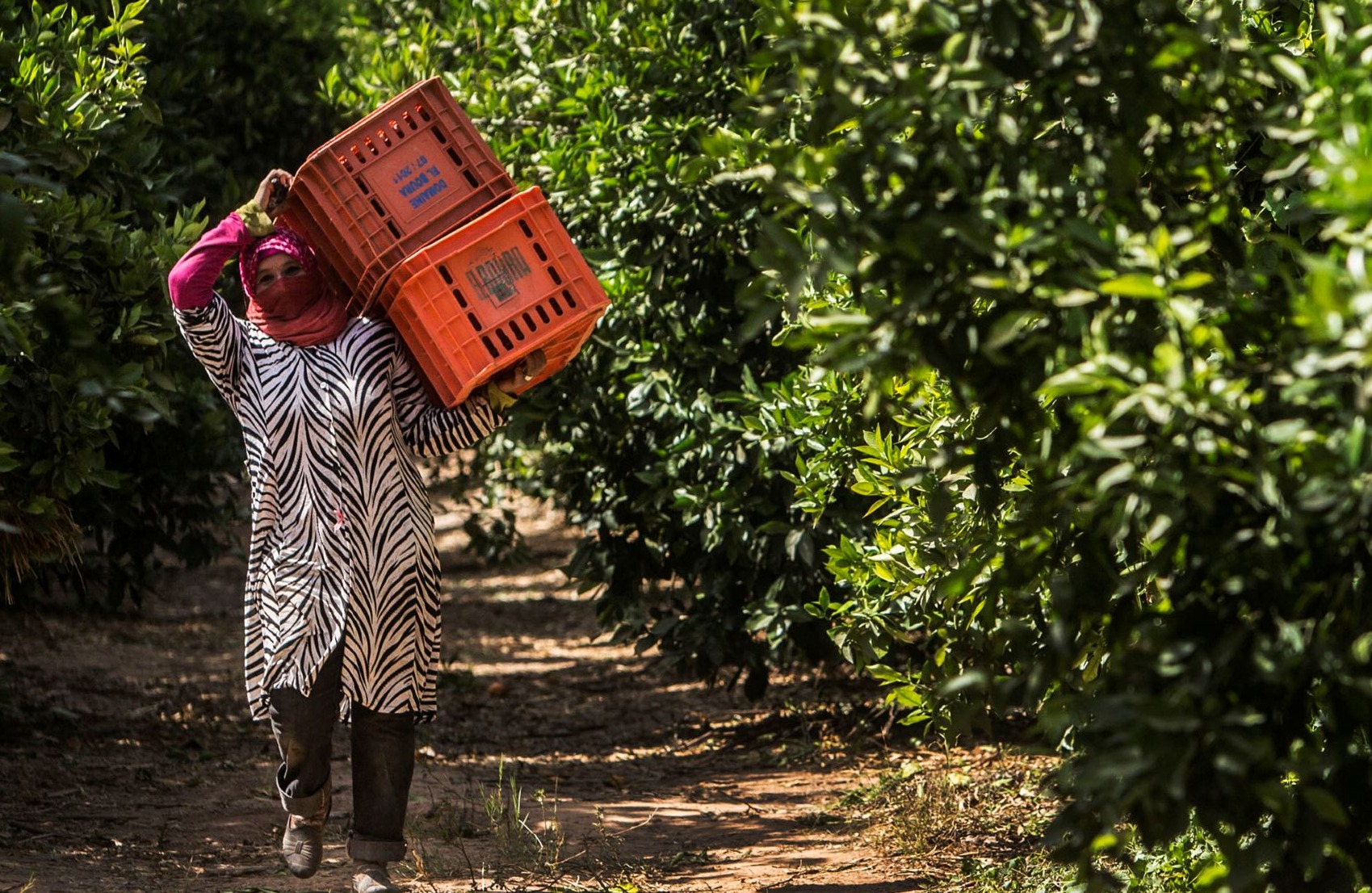
Extreme heat impacts are not felt equally. Women are disproportionately affected by extreme heat. They battle infections, fainting, burns, headaches, and sleepless nights yet they are expected to continue working.
As extreme heat and its impacts continue to transcend beyond human health, decision makers and front line communities are racing to respond. Lack of quick access to actionable and locally grounded science however, is a fundamental barrier.
HERA Launches a Heat Science Hotline
This story is about how Climate Resilience for All (now HERA) seeks to address such challenges through the launch of a Heat Science Hotline. The free rapid response service connects policy makers , journalists, community organizations and donors to a wide range of global heat, health and climate experts ( including a meteorologist, midwife, data scientist, architect and epidemiologist).
The Hotline provides responsive and evidence-based advice. It is tailored to specific projects and projects aiding in translation of complex science into practical decisions.
“We are in a global heat emergency, and the people working hardest to respond are doing so half-blindfolded,” said Kathy Baughman McLeod, founder and CEO of HERA. “The science exists. The expertise exists. The Heat Science Hotline makes both visible and transforms that disconnect by grounding solutions in the best available science.”

The Heat Science Hotline is powered by a growing board of experts working across six continents, with most members based in the Global South. The board is co-chaired by Neha Mankani of the International Confederation of Midwives, and founder of the Mama Baby Fund in Pakistan, and Gregory Wellenius, environmental epidemiologist, professor, and Director of the Center for Climate and Health at Boston University.
“Working with women and babies during extreme heat, I’ve seen what happens when policy does not reflect frontline realities,” said Mankani. “Integrating evidence with practitioner insight from these settings is essential to delivering better outcomes for babies and families.”
The board will bring their expertise spanning urban planning, climate science, conservation, data science, epidemiology, public health, gender equity, social impact, and thermophysiology.
“The breadth of expertise is deliberate,” said Dr. Wellenius. “No single discipline can capture the full complexity of heat risk and resilience. Looking at problems from multiple perspectives allows us to identify what might otherwise be missed, a cooling center plan that overlooks the distinctive needs of seniors, women, or families, or an urban greening initiative that fails to build heat resilience in an equitable manner.”
Understanding various ways how heat affects people and the environment makes projects and policies more effective .
HERA hotline focuses on vulnerability and lived experiences i.e. occupation age, geography, gender, health status for insights to reflect real world challenges and contribute to better results.
“One of the biggest challenges in building heat resilience is turning insight into action under pressure. Approaches that make practical support more accessible can help close that gap,” said Jess Ayers, CEO of QCF.
This is especially critical where bias persists. Women’s vulnerability to heat, for example, is well documented but rarely reflected in interventions like heat warning systems. The skills and expertise of the Hotline will reduce the effects of this bias.
“The Heat Science Hotline will be a critical tool for us, helping to ensure that our solutions are grounded in sound science and shaped by the realities people are experiencing now. Young people are already leading climate action across Africa.
With the right expertise at our fingertips, we can move faster, design better, and better support communities to respond to both the urgency and the opportunities of this moment.” said Betty Osei Bonsu Adjei , Director, Operations & Programs, Green Africa Youth Organization.
How HERA’S Heat Science Hotline Works
While there isn’t an actual telephone, users can submit questions online and receive tailored responses for specific projects and policies. The Hotline identifies effective interventions ranging from cooling infrastructure and early warning systems to nature-based solutions grounded in the latest evidence.
It translates intersectional science into clear, actionable guidance for decision-makers and non-technical audiences, while also helping navigate funding and policy processes, including shaping proposals that reflect heat impacts and equity considerations.
Additionally, it pinpoints localized risks by identifying the populations, geographies, and systems most exposed. Going beyond generative AI, the Hotline incorporates humanexpertise and multidimensional perspectives, and catalogs all answers and learnings to share knowledge publicly.
In conclusion, extreme heat is not only a growing environmental threat but also a significant socio-economic challenge, disproportionately affecting vulnerable populations such as women and informal workers. Initiatives like HERA’s Heat Science Hotline are critical in bridging the gap between science and practical action, ensuring that policies, interventions, and community responses are informed by robust evidence.
Sustained collaboration among governments, civil society, financial institutions, and local communities will be essential to build resilience, protect livelihoods, and mitigate the escalating impacts of heat stress across East Africa.
YOU MAY ALSO LIKE:
Met Office Warns 2026 Could Be Among the Four Warmest Years on Record
Husika App: An Early Warning System for Climate Disaster Alerts
Nearly 1M Children in Kenya’s ASALs Could Suffer Acute Malnutrition by 2026, Report Shows