Climate change refers to long-term shifts in global temperatures and weather patterns. While natural factors like volcanic eruptions and variations in the sun’s activity have historically influenced climate, human activity has been the main driver since the 1800s.
The burning of fossil fuels, coal, oil, and gas releases greenhouse gases such as carbon dioxide and methane, which trap heat in the atmosphere and warm the planet. Deforestation, agriculture, industrial processes, and transportation further add to these emissions.
Causes of Climate Change
Energy and Power Generation: Electricity generation from coal, oil, and gas remains a major source of carbon emissions, making this sector one of the largest contributors to global warming.
Transportation: Cars, trucks, ships, and planes mostly rely on petroleum-based fuels, accounting for nearly a quarter of global carbon-dioxide emissions.
Industry and Manufacturing: Industrial processes, from cement and steel production to electronics and plastics, release greenhouse gases from both energy use and raw materials.
READ MORE : Ocean Heat Levels in 2025 Signal Rising Climate Risks Worldwide
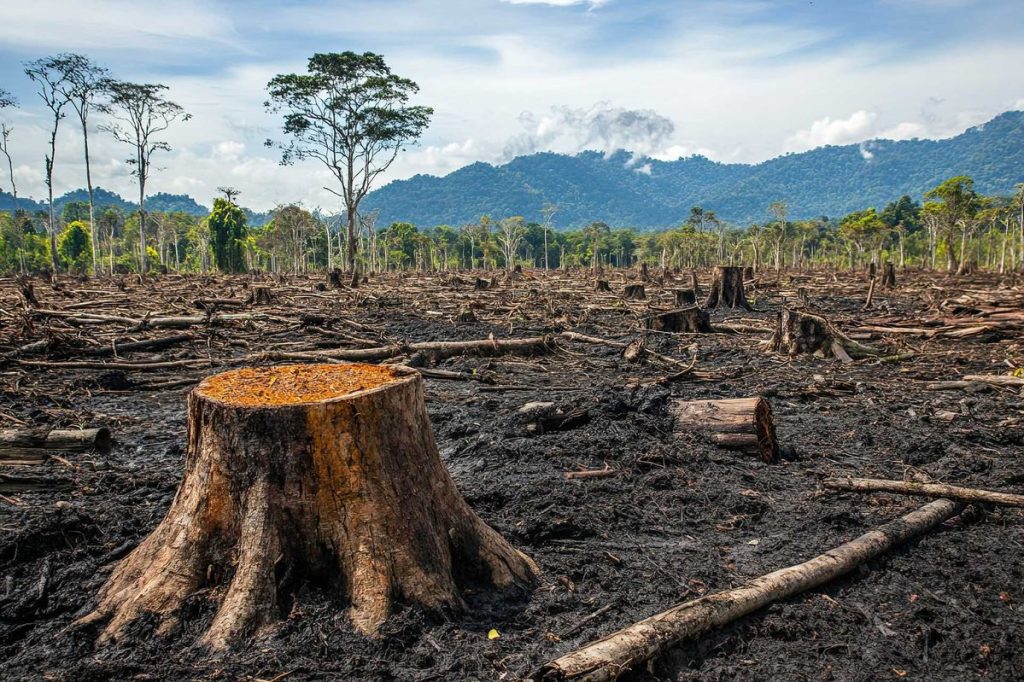
Deforestation and Land Use: Cutting down forests releases stored carbon and reduces the planet’s capacity to absorb emissions. Agriculture and land clearing together account for about a third of global emissions.
Food Production: Agriculture produces emissions through livestock digestion, fertilizer use, land clearing, and fossil fuel-powered farming equipment. Food storage, packaging, and transport also contribute.
Buildings: Residential and commercial buildings consume almost 60% of global electricity, often relying on fossil fuels for heating and cooling.
Lifestyle and Consumption: High levels of consumption, especially in wealthy nations, drive emissions through energy use, transportation, and production of goods like clothing, electronics, and plastics.
READ MORE: Met Office Warns 2026 Could Be Among the Four Warmest Years on Record
Effects of Climate Change
Rising Temperatures: Increased heatwaves, wildfires, and heat-related illnesses. Arctic regions are warming twice as fast as the global average.
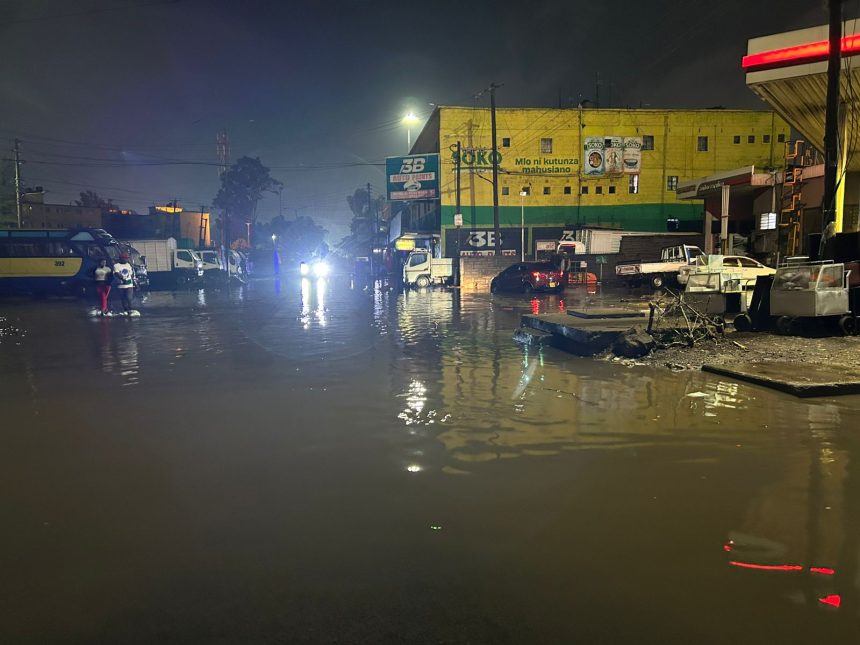
Extreme Weather: Hurricanes, cyclones, and typhoons are stronger and more frequent due to warmer oceans and more atmospheric moisture.

Droughts and Water Scarcity: Reduced access to water, expanding deserts, and threats to agriculture and ecosystems.
Rising Sea Levels: Melting ice sheets and ocean warming put coastal communities at risk of flooding.
Loss of Biodiversity: Species extinction is accelerating at 1,000 times the natural rate.
Food Insecurity: Climate impacts reduce crop yields, livestock productivity, and fisheries, threatening global food supply.
Health Risks: Air pollution, disease spread, extreme weather, and malnutrition affect millions. Environmental factors cause about 13 million deaths annually.
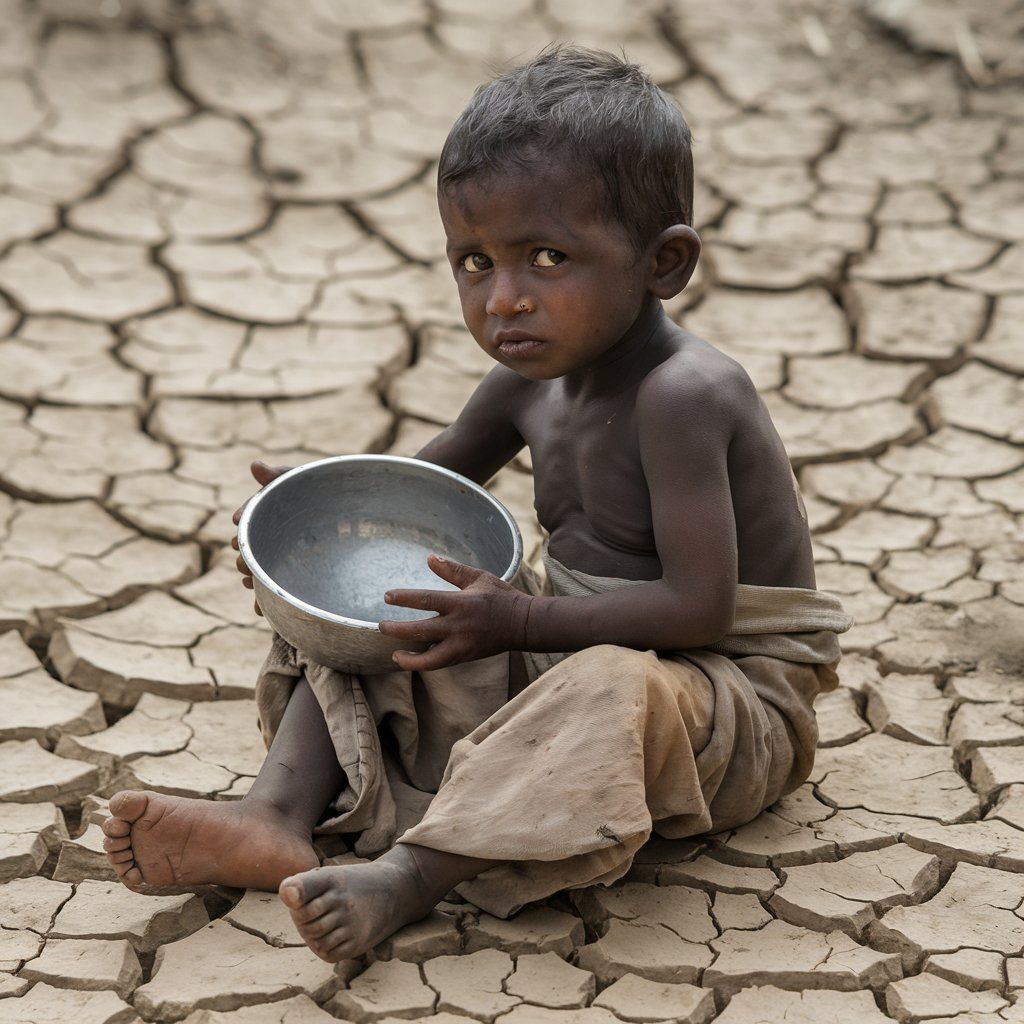
Poverty and Displacement: Floods, heat, and drought destroy homes and livelihoods. In 2024, nearly 46 million people were displaced due to weather-related disasters.
Solutions to Climate Change
Reducing Carbon Emissions: Transitioning to renewable energy such as solar, wind, and hydroelectric power is critical.
Improving energy efficiency in buildings, transport, and industry, alongside sustainable agriculture, can significantly lower emissions.
Carbon Removal and Sequestration: Even with reduced emissions, carbon already in the atmosphere continues to drive warming. Techniques like reforestation, and soil management actively remove carbon. Biochar, for example, converts organic waste into a stable carbon form stored in soil for centuries while enhancing fertility.
2026: Top Climate Change Careers for a Sustainable Future
Sustainable Agriculture: Practices like organic farming, agroforestry, and precision agriculture help reduce emissions, conserve resources, maintain biodiversity, and strengthen food system resilience.
Green Infrastructure and Urban Planning: Energy-efficient buildings, public transport, and climate-resilient infrastructure reduce cities’ carbon footprints and protect communities from climate impacts.
Policy and Education: Governments and organizations can implement climate policies, incentives, and regulations to encourage sustainable practices. Educating communities about climate change and sustainable lifestyles is equally important.