
Nigeria is increasingly strengthening its participation in global climate mitigation efforts through
the development of a national carbon market and the promotion of low-carbon technologies.
Carbon markets allow countries and organizations to trade carbon credits generated from
projects that reduce greenhouse gas emissions. Each carbon credit typically represents the
reduction or removal of one metric ton of carbon dioxide equivalent (CO₂e) from the
atmosphere (World Bank, 2023).
READ ALSO: Building Green Within the Law: Inside Kenya’s Green Construction Debate
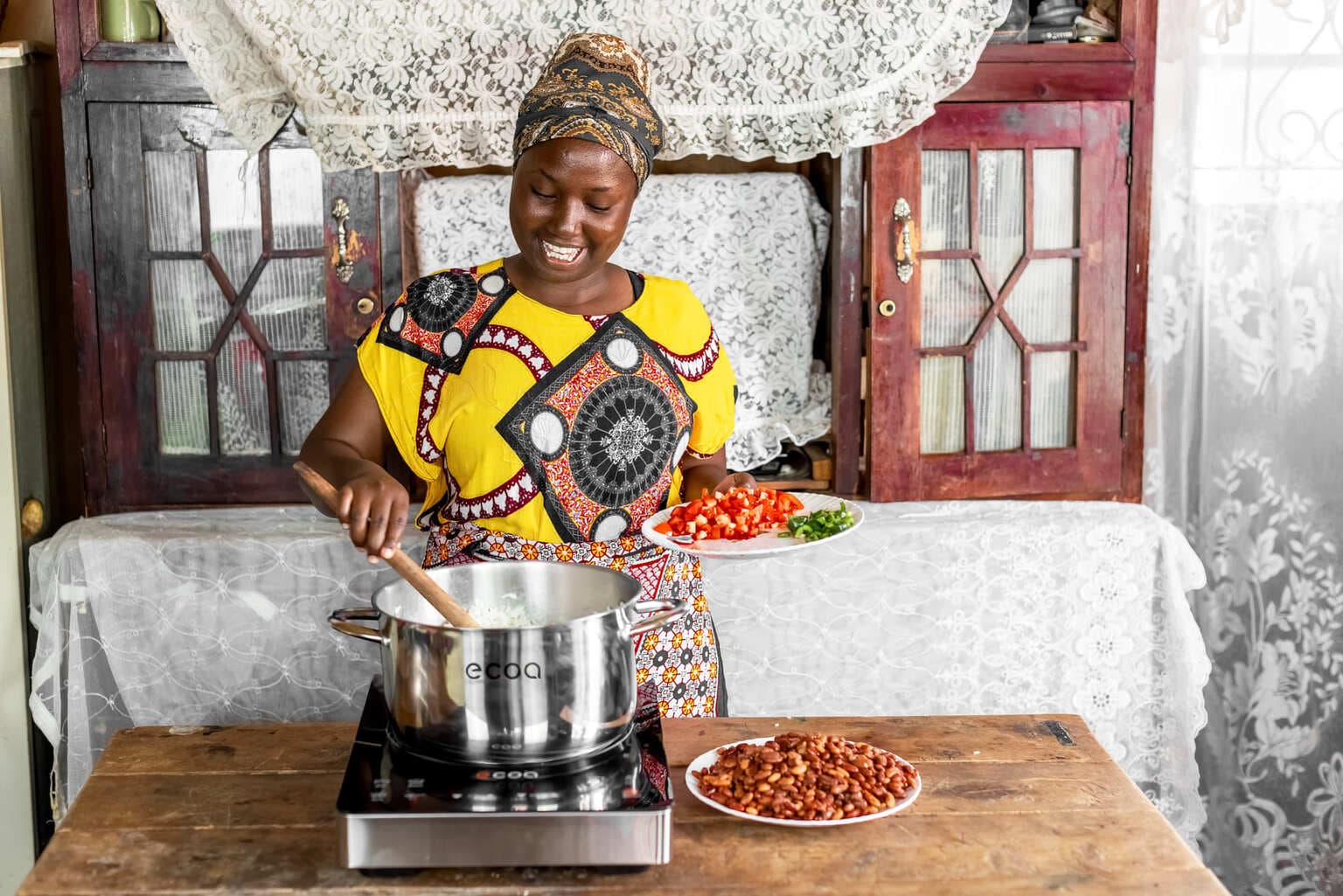
Clean cooking initiatives have become a critical component of Nigeria’s climate strategy. A large
proportion of Nigerian households still rely on traditional biomass fuels such as firewood,
charcoal, and agricultural waste for cooking.
According to the International Energy Agency,nearly half of the population in sub-Saharan Africa depends on these fuels, which contribute todeforestation, environmental degradation, and significant indoor air pollution (IEA, 2022). The adoption of improved cookstoves and cleaner cooking technologies can significantly reduce fuel consumption and lower greenhouse gas emissions.
READ ALSO: Kenya Strengthens Ties with UNDP to Drive Climate Action and Environmental Protection
Large-scale clean cooking programs are now being implemented to replace traditional stoves
with energy-efficient alternatives. These initiatives generate measurable emission reductions
that can be converted into carbon credits and traded in international carbon markets. Carbon
finance generated from such projects can help support climate mitigation efforts while also
providing economic incentives for sustainable development (UNFCCC, 2023).
Nigeria has also introduced policy frameworks to support participation in global carbon
markets. The Nigeria Carbon Market Activation Policy provides a structured approach for the
development, registration, monitoring, and verification of carbon reduction projects within the
country. The policy is designed to attract international climate investment and position Nigeria
as a key player in Africa’s emerging carbon trading sector (Federal Government of Nigeria,
2023).
Beyond environmental benefits, clean cooking initiatives also deliver important social and
economic advantages. Reducing reliance on biomass fuels helps protect forests, improve
household air quality, and reduce health risks associated with smoke inhalation. In addition, the
production and distribution of improved cookstoves can stimulate local manufacturing, create
employment opportunities, and support the growth of Nigeria’s green economy (World Health
Organization, 2021).
READ ALSO: Tanzania Promotes Electric Cooking to Empower Women and Boost Economic Growth
Overall, Nigeria’s efforts to expand clean cooking technologies while developing a carbon
market illustrate how climate policy can integrate environmental protection with economic
growth and sustainable development.
References
Federal Government of Nigeria. (2023). Nigeria Carbon Market Activation Policy. Abuja:
National Council on Climate Change.
International Energy Agency (IEA). (2022). Africa Energy Outlook 2022. Paris: IEA.
United Nations Framework Convention on Climate Change (UNFCCC). (2023). Carbon Market
Mechanisms under the Paris Agreement.
World Bank. (2023). State and Trends of Carbon Pricing 2023. Washington, DC: World Bank.
World Health Organization (WHO). (2021). Household Air Pollution and Health. Geneva: WHO.