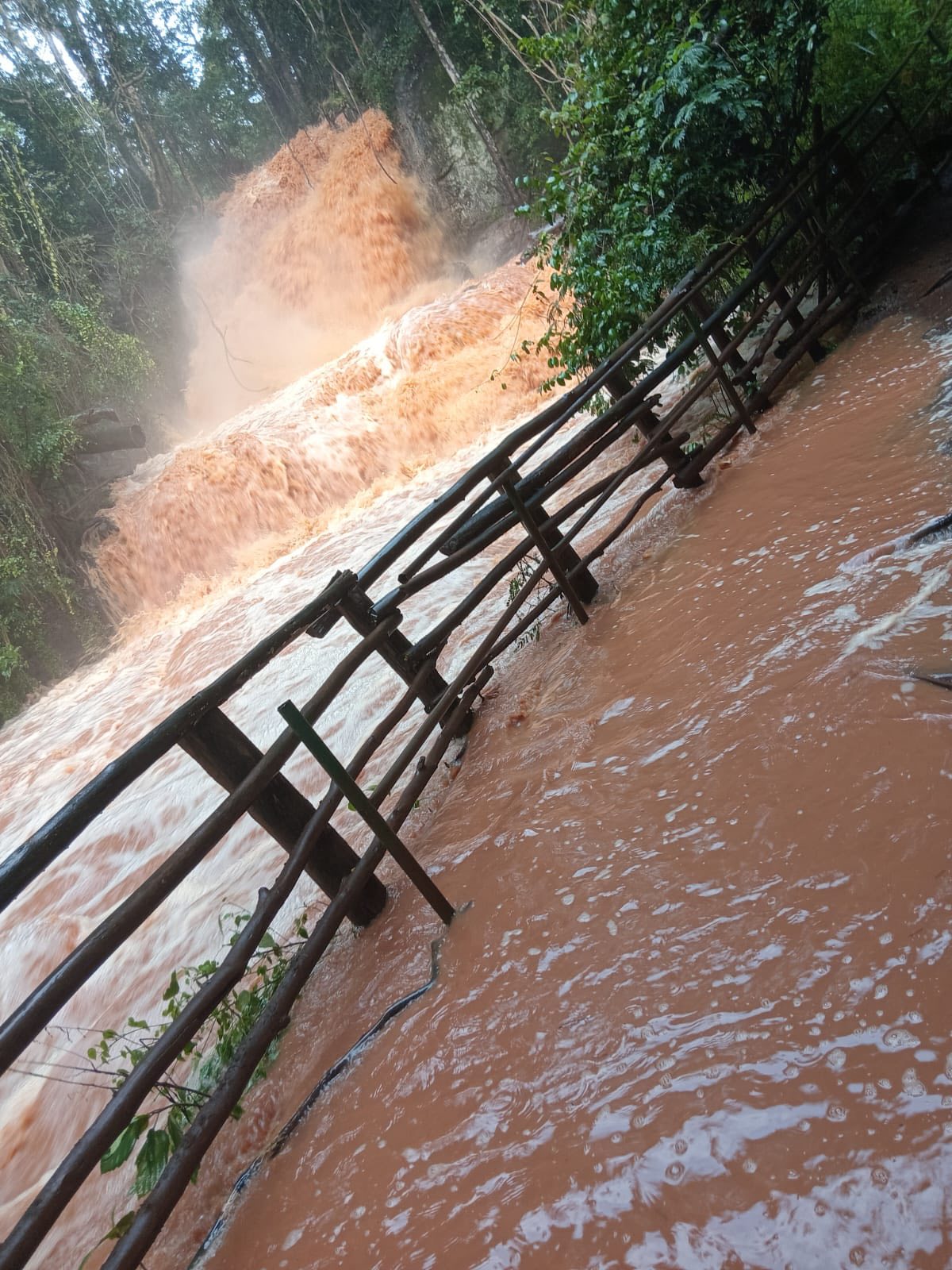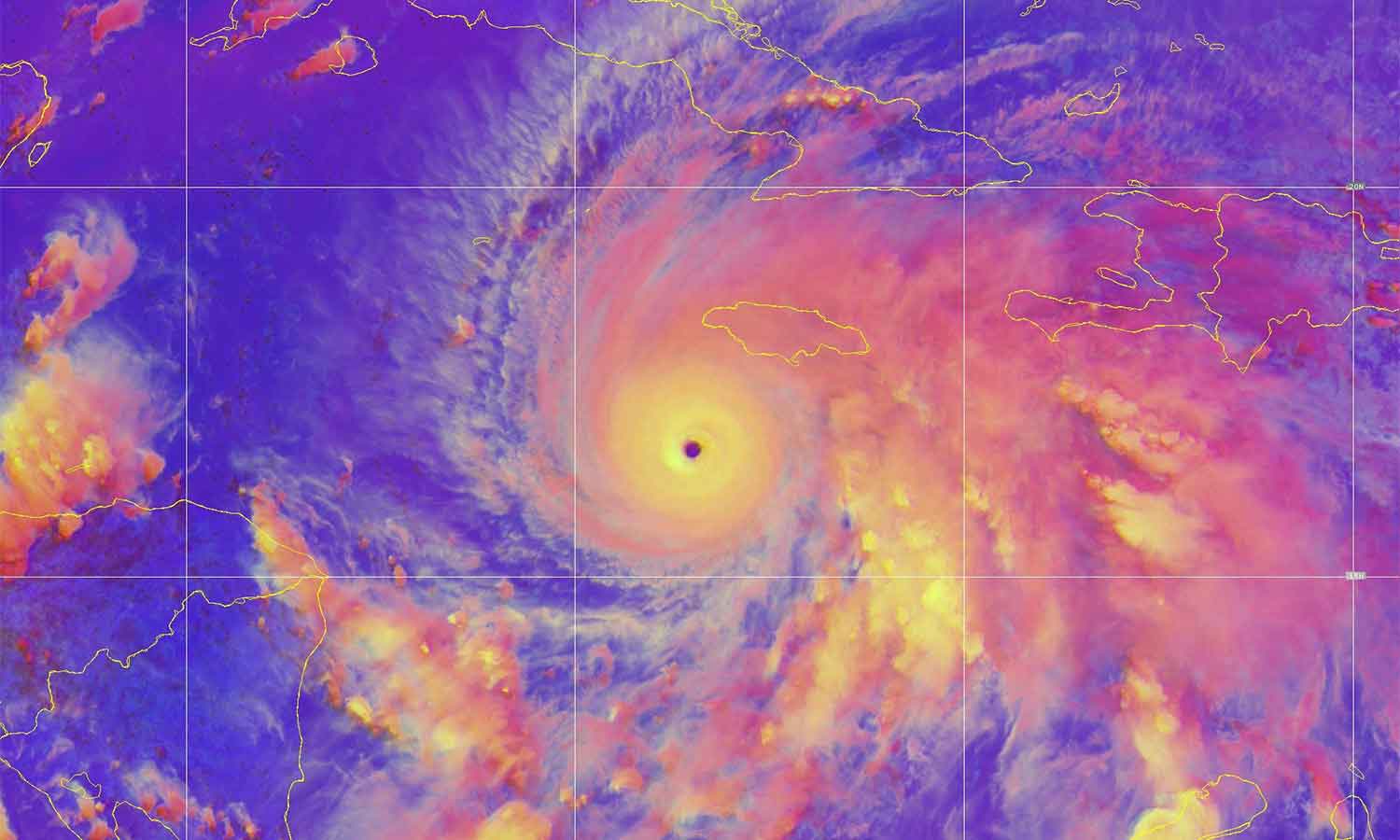
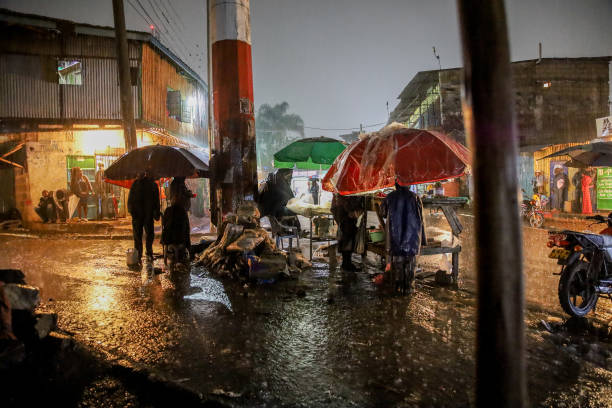
The Kenya Meteorological Department has released Heavy Rainfall Advisory Update No. 02/2026, which warns that intense rainfall is expected to continue in various parts of the country from the evening of March 3 to March 9, 2026.
According to the department, rainfall amounts greater than 20mm within 24 hours are anticipated to occur in various places within the country. The rainfall is expected to become more intense and peak between March 4th and 7th before gradually subsiding in most places by March 8th, but heavy rainfall is anticipated to persist until March 9th in the Lake Victoria Basin, Western Kenya, Central Highlands, Southeastern Lowlands, and the Coastal Region.
Moderate to Heavy Rainfall Expected to Fall Across Kenya
The rainfall is classified as moderate to heavy, with the probability of occurrence varying between 33 percent and 66 percent. This kind of rainfall has a high probability of causing flash flooding, river levels rising, waterlogging in urban areas, and reduced visibility on major roads.
READ ALSO: Met Office Warns 2026 Could Be Among the Four Warmest Years on Record
Flooding is expected to occur in both rural and urban settlements, especially in low-lying areas and downstream areas. Some areas that may not be affected by the rainfall may still be prone to flooding because of the runoff from upstream catchment areas.
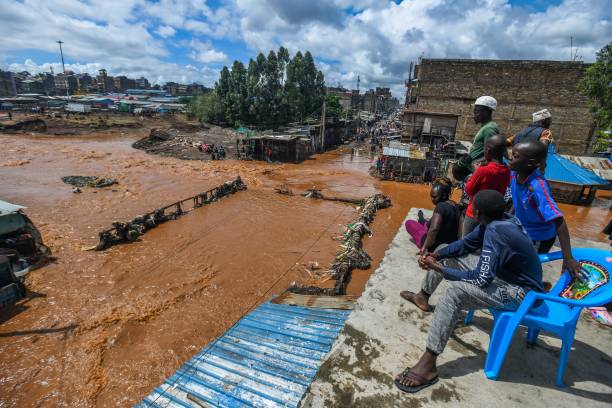
Among the listed areas of concern are Nairobi, Kisumu, Nakuru, Mombasa, Turkana, Garissa, Kakamega, Bungoma, Siaya, Homa Bay, Kiambu, Machakos, Kajiado, Kilifi, Tana River, Nyeri, Meru, and parts of Wajir and Mandera, among others.
Flood Risk and Public Safety Advisory
The people living in the affected areas in the respective counties are cautioned to be on the lookout as the rains continue to fall heavily. The authorities are advising people to avoid driving or walking through floodwaters, as this can be dangerous even in the smallest of floodwaters. People are also cautioned against seeking refuge under trees or near grilled windows during thunderstorms, as this can expose them to lightning strikes.
READ MORE: Ocean Heat Levels in 2025 Signal Rising Climate Risks Worldwide
People living near water bodies, drainage channels, and flood-prone areas are encouraged to be on the lookout as the water level in the water bodies can rise suddenly. Motorists are encouraged to plan their routes carefully as this can expose them to reduced visibility and waterlogged roads.
Climate Change and Extreme Weather Patterns in Kenya
The current heavy rainfall occurrence in the country can be attributed to the increase in extreme weather patterns in the country due to climatic change. In recent times, the country has experienced long periodsfollowed by intense rainfall events, a trend scientists link to changing climate conditions.
This is because warm weather allows for more moisture retention in the atmosphere. This, in turn, may result in more rainfall over a shorter duration. However, this process increases the risk of flooding and damage.
During this peak rainfall season in Kenya, citizens are encouraged to take necessary precautions and updates from the Kenya Meteorological Department. They should take safety measures seriously throughout the period.