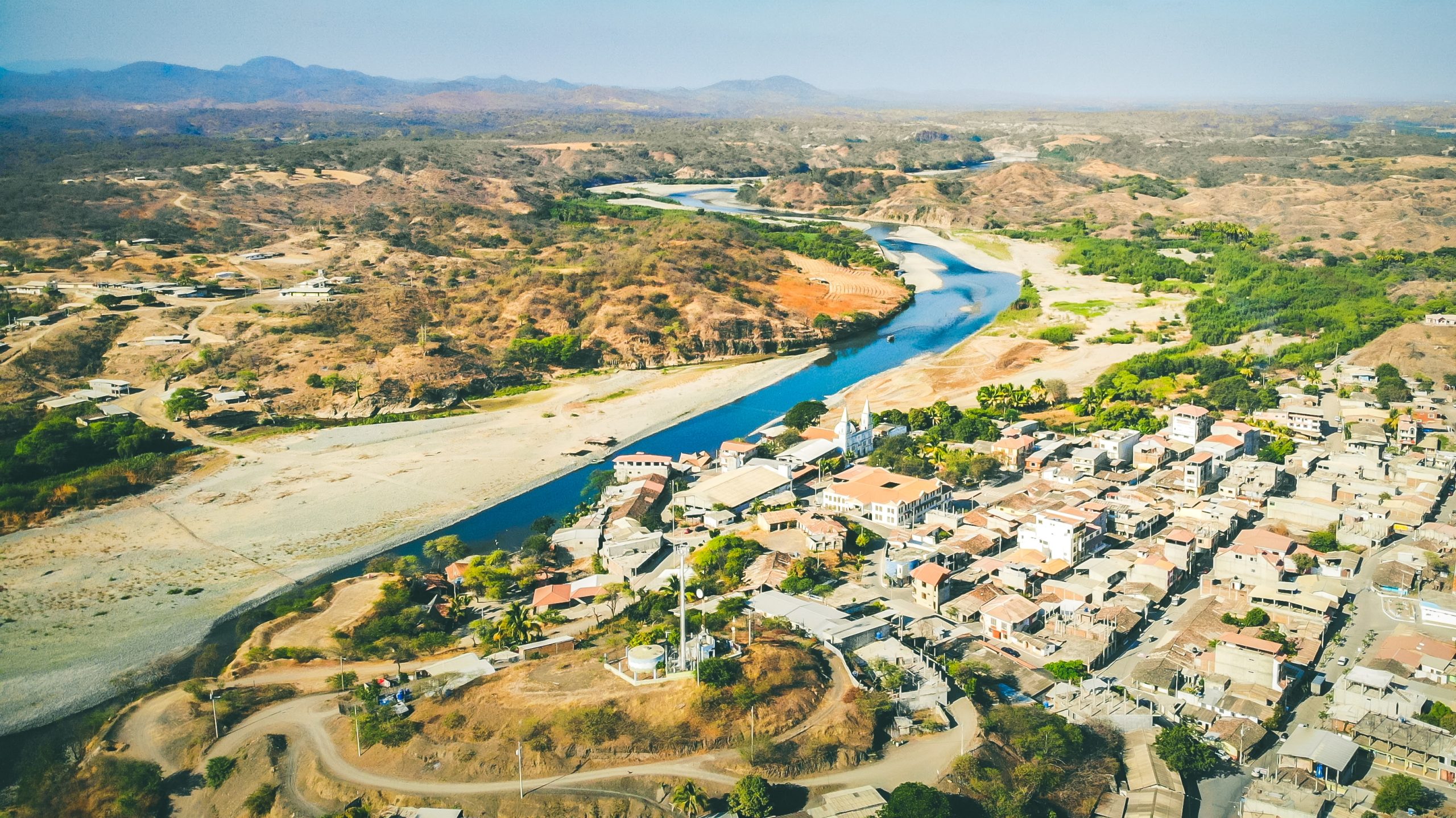
Africa is a continent of shared waters presenting it with a great opportunity for unity. 90% of Africa’s surface is water, supports 75% of the population with 40% of the continent’s population depending on Trans boundary Aquifers (TBAs). According to Africa Water and Sanitation Sector Monitoring and Reporting System (WASSMO), there are up to 22 member States that participate in trans boundary collaboration ranging from data sharing to joint basin development and investment plans.
Water is a foundation to livelihoods , public health, food production and energy. Agriculture accounts for about 70% or more global freshwater withdrawals. Hydropower provides nearly 17% of electricity generation with most hydro power rivers crossing two national boundaries. Since 1948, over 300 international water agreements have been signed . Institutions like the Niger Basin Authority , Senegal River Basin Development Organization and Nile Basin Initiative facilitate transboundary water cooperation.
READ MORE: Building Green Within the Law: Inside Kenya’s Green Construction Debate
Shared water, therefore, is a strategic unifier, central to promoting peace and trans boundary cooperation while reducing conflict. The Africa Water Vision 2063 and Policy published during the 39th Ordinary Session of assembly of the African Union, 14-15 February 2026, Addis Ababa, Ethiopia, outlines a roadmap for a water secure and resilient Africa with safe sanitation for all.
How can Member States transform water from a source of division to a symbol of solidarity?
1.Advance transparency and free flow of information. Integrating open water data platforms will act as a trust building tool towards data driven cooperation.
2.Information provided by member states depict inadequacies of infrastructure networks to monitor the quality and quantity of water resources in the African continent.
3.Deploying virtual monitoring networks with AI will represent a shift in trans boundary water management.
Other ways include utilising internet of things sensors, satellite data and weather radars should enhance river gauging, hydro meteorological and water quality stations. This in turn ensure open access hydrological monitoring and generation of water quality, basin hazards and forecasts.