Climate change is no longer a distant threat but a reality affecting economies, ecosystems, and daily life around the world. Rising temperatures, shifting weather patterns, and more frequent extreme events have pushed governments and businesses to find practical ways to reduce greenhouse gas emissions.
Definition of carbon Markets
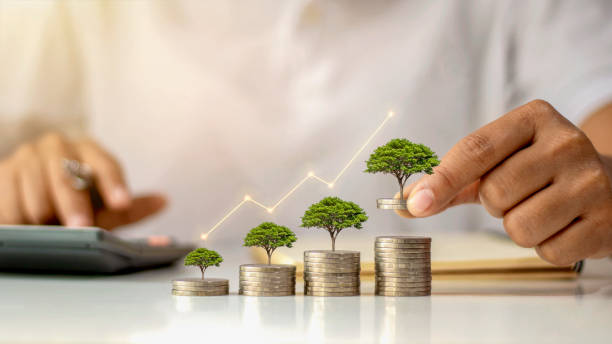
One approach gaining attention is the development of carbon markets, where emission reductions can be measured and traded. What are carbon markets ? UNEP describes Carbon Markets as carbon pricing mechanisms enabling governments and non-state actors to trade greenhouse gas emission credits. The aim is to achieve climate targets and implement climate actions cost effectively.
According to the United Nations Framework Convention on Climate Change (UNFCCC) and the World Bank, these markets encourage investment in projects such as renewable energy and forest conservation.
READ MORE : Nigeria’s Carbon Market Development and the Role of Clean Cooking Projects
Understanding Carbon Credits and how They Work
At the heart of carbon markets are carbon credits, a concept simple in theory but powerful in practice. Each credit represents one metric ton of carbon dioxide, or an equivalent greenhouse gas, prevented from entering the atmosphere or removed from it.
Organizations such as the World Economic Forum note that these credits come from projects like forest conservation and cleaner technologies in communities. Once verified, they can be purchased by companies or governments to offset emissions they cannot yet eliminate, giving real financial value to actions that help slow global warming.
The process behind carbon credits is meticulous, ensuring that each ton of emissions reduction is real and measurable. Projects may involve reforestation, renewable energy development, or cleaner fuel technologies. These initiatives undergo rigorous assessment and continuous monitoring to quantify the amount of carbon avoided. Independent experts then verify the results before credits are officially issued.
READ MORE: How Green Banks Are Transforming Climate Finance and Renewable Energy Investment
Once verified, these credits enter global markets, allowing companies or governments to purchase them as a means of balancing their own emissions. The International Emissions Trading Association (IETA) notes that this mechanism not only incentivizes climate-friendly projects but also directs financial resources toward initiatives that meaningfully reduce greenhouse gases.
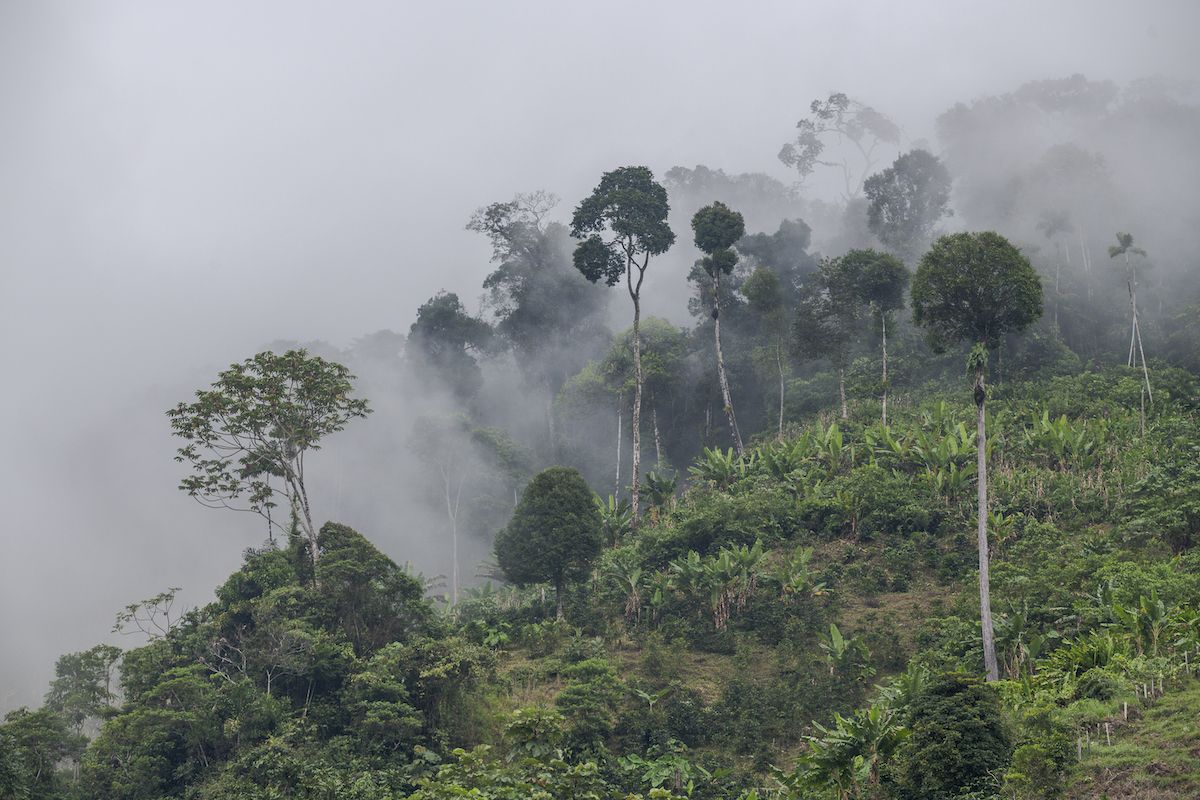
Across Africa, carbon credit projects are transforming environmental protection into a tool for sustainable development. From forest conservation in the Congo Basin to clean cooking initiatives and renewable energy projects in Kenya and Rwanda, these efforts reduce emissions while creating tangible benefits for local communities.
Reports from the African Development Bank and the United Nations Environment Programme (UNEP) highlight Africa’s abundant natural resources, which position the continent as a vital player in global carbon markets. These projects are also attracting international investment, providing new income streams, promoting conservation, and creating opportunities for communities on the climate frontlines.
Challenges and Criticism of Carbon Credits
Despite their promises, carbon credits are not without challenges. Investigations and analysis have revealed cases where projects overestimate emissions reductions or fail to benefit local communities. Organizations such as Carbon Market Watch warn of “greenwashing,” where companies rely on purchased credits to appear environmentally responsible without truly reducing their own emissions.
READ MORE: Tanzania Promotes Electric Cooking to Empower Women and Boost Economic Growth
In Africa, challenges also include unclear land ownership, limited community engagement, and difficulties in tracking carbon savings. These issues highlight the importance of transparency, rigorous verification, and meaningful involvement of local populations for the success of carbon markets.
Looking ahead, the potential for carbon credits in Africa is immense. With strategic investment and policy support, the continent could significantly scale its role in global carbon markets over the next decade. Analysis also indicate that Africa’s forests, renewable energy projects, and land restoration initiatives could generate millions of credits while driving sustainable development.
Further prediction also involves a growing global demand for verified carbon offsets, which could attract even more investment into the continent. If managed effectively, carbon markets can empower communities, protect natural resources, and strengthen Africa’s contribution to global climate solutions.
In conclusion, carbon credits offer Africa an opportunity to address climate change while supporting economic growth and environmental protection. When projects are transparent, verified, and community-focused, they can deliver real environmental benefits, attract investment, and support local livelihoods. Ultimately, carbon credits can help connect climate action with sustainable development across the continent.